
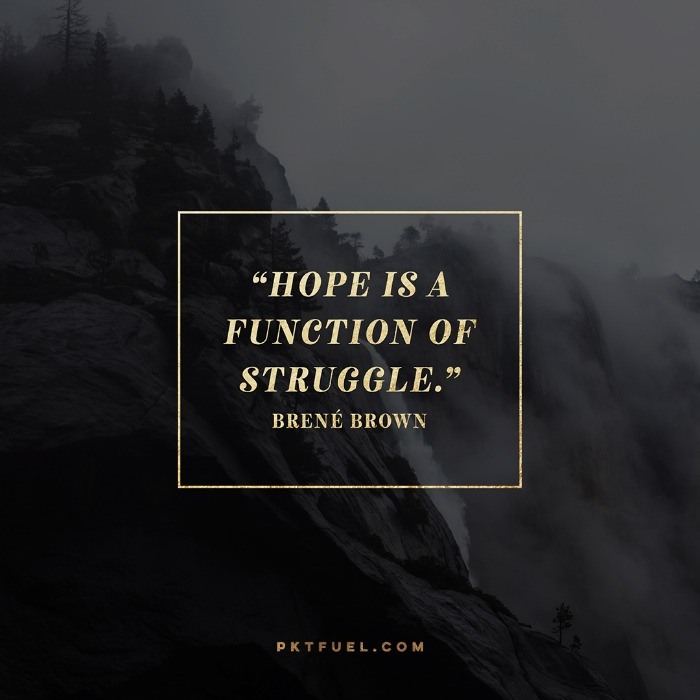
Hope is not an emotion; it’s a cognitive thinking approach. Brenè Brown
Hope is Not an Emotion – The Promise Series – Part 5
Go to PART 1 | PART 2 | PART 3 | PART 4 | PART 5 | PART 6 | PART 7 | PART 8
Hope is not a magic word like some preachers or spiritual leaders suggest.
I’ve heard them say: “You’ve just got to have HOPE. BIG hope. You can HOPE in Jesus, so do it!”
OK. Righto.
Will it appear at its mention? In a cloud of glitter and magic stardust riding a rainbow unicorn?
How do you get hope? How does it work? How can you go from having none to some to being full of it? Can you declare it into being? Pray it into existence?
In an interview with Oprah, Brenè Brown said:
“Hope is not an emotion; it’s a cognitive thinking approach. It’s how we think. And it is 100% teachable.” (She also talks about this in her book, “The Gifts of Imperfection.”)
Hope is something we learn. Life will teach it to us if we let it.
She went on to say, “Hope is a function of struggle. People with the highest hopefulness have the knowledge that they can move through adversity. When we take adversity from our children, we diminish their capacity for hope.” (she talks more about this in her book “Daring Greatly”).
For so long we have treated hope like it's an emotion, a spiritual virtue bestowed upon the holy. But hope is the gutsy metal deep in our bones that moves us through struggle, challenge, hardship, monotony and more.
Hope is a function of struggle.
And the more we ignore the darkness in our lives and worlds, the more hope deprived we become.
In Dr. Brené’s research, she discovered that the people who had the highest levels of hope had the most experiences of failure. When they failed at something, they were able to separate themselves from it and not brand themselves a failure.
You may fail, but that doesn’t make you a failure. It gives you the opportunity to grow your tenacity and perseverance. And it's in this place of hard work, building and growing through struggle, that hope is cultivated.
Abraham and Sarah found themselves in a new land, worshiping in new ways, with a new vision of children and growth and the ability to be generous and expansive, and nothing to build with and no clue how to get the job done. The Divine had told Abraham what would happen, they shared a different take on an ancient ritual, and afterward, there was only one thing they could do.
They started with trust. They participated in faith. They started the work.
Hope is the anchor for our souls. It’s what connects us through the unknown to divine possibility.
And how do we know we can trust?
How do we cultivate it?
How do we learn how to hope?
By doing it. Living it all the way through.
Go to An Anchor Called Hope – The Promise Series – Part 6
Written by Liz Milani
[font_awesome link=”https://www.instagram.com/lizzy.milani/” icon=”instagram” color=”000″ size=”16px” margin_right=”” margin_left=”” margin_top=”” margin_bottom=””] lizzy.milani [font_awesome link=”https://www.twitter.com/lizzymilani/” icon=”twitter” color=”000″ size=”16px” margin_right=”” margin_left=”” margin_top=”” margin_bottom=””] lizzymilani
[vcex_image_grid columns=”3″ pagination=”false” thumbnail_link=”custom_link” link_title_tag=”true” custom_links_target=”_blank” overlay_style=”title-category-visible” columns_gap=”5″ img_hover_style=”fade-out” image_ids=”20934,20935,20937″ custom_links=”https://itunes.apple.com/app/apple-store/id1239768002?pt=118656308&ct=blog%20footer&mt=8,https://www.pktfuel.com/dailyemail,https://www.pktfuel.com/support” img_height=”350″]